

Root Canal Therapy.
Save a tooth that would otherwise need extraction.
- 60 to 90 minutes per session, often 1 to 2 visits
- Once per affected tooth
- All major health funds
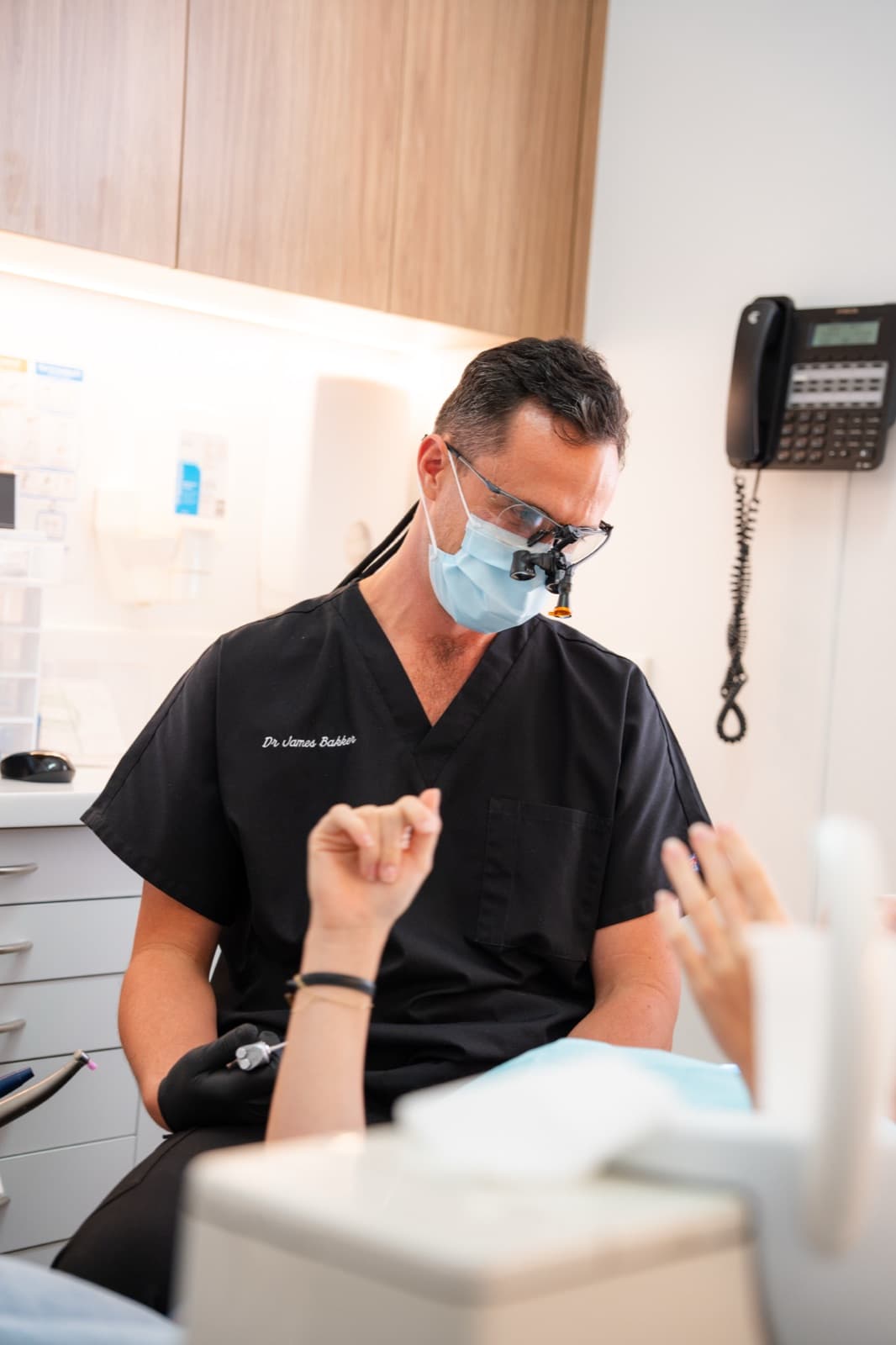
When the nerve of a tooth becomes infected, root canal therapy removes the infection and seals the inside of the tooth, letting you keep your natural tooth for years to come.
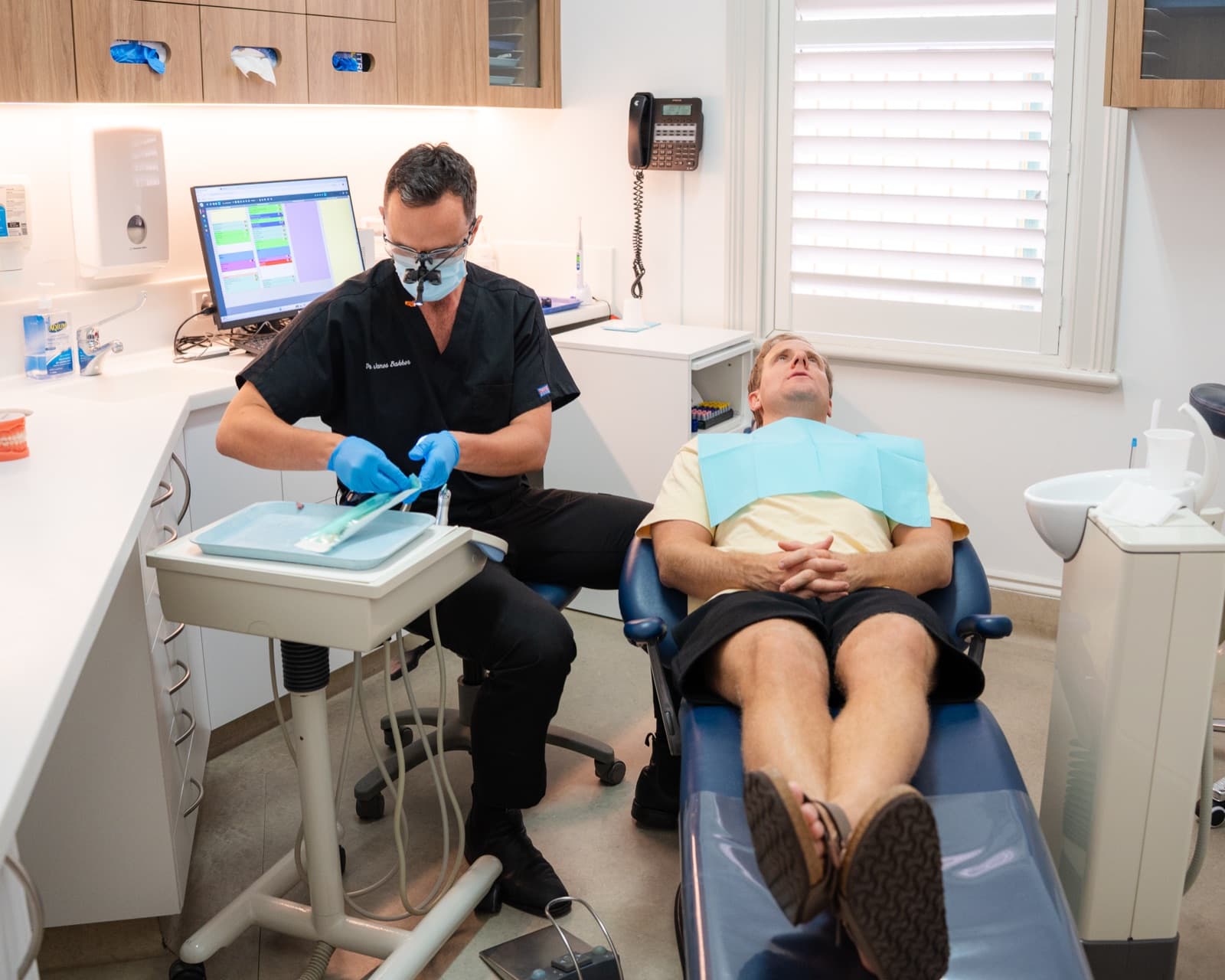
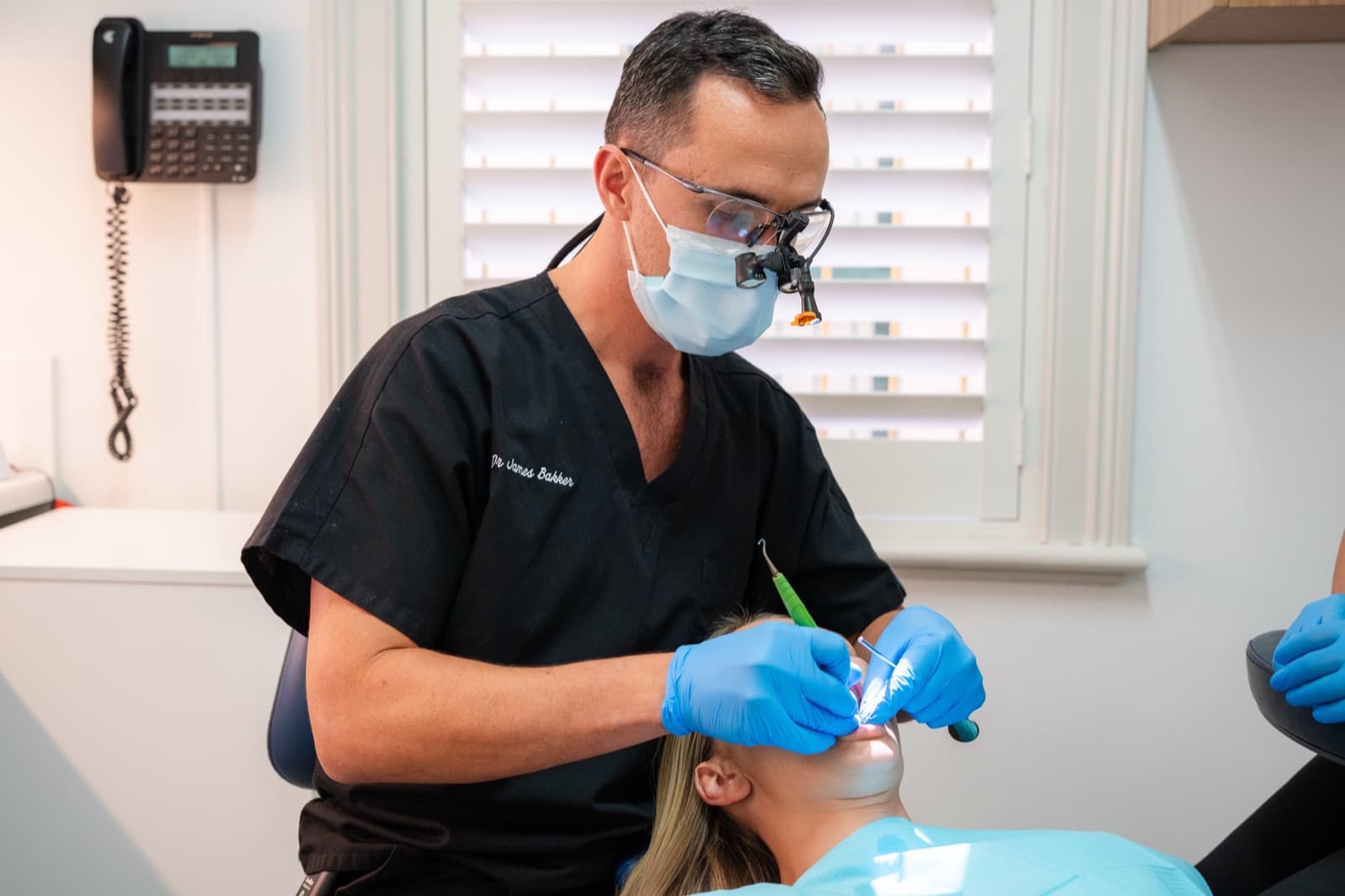
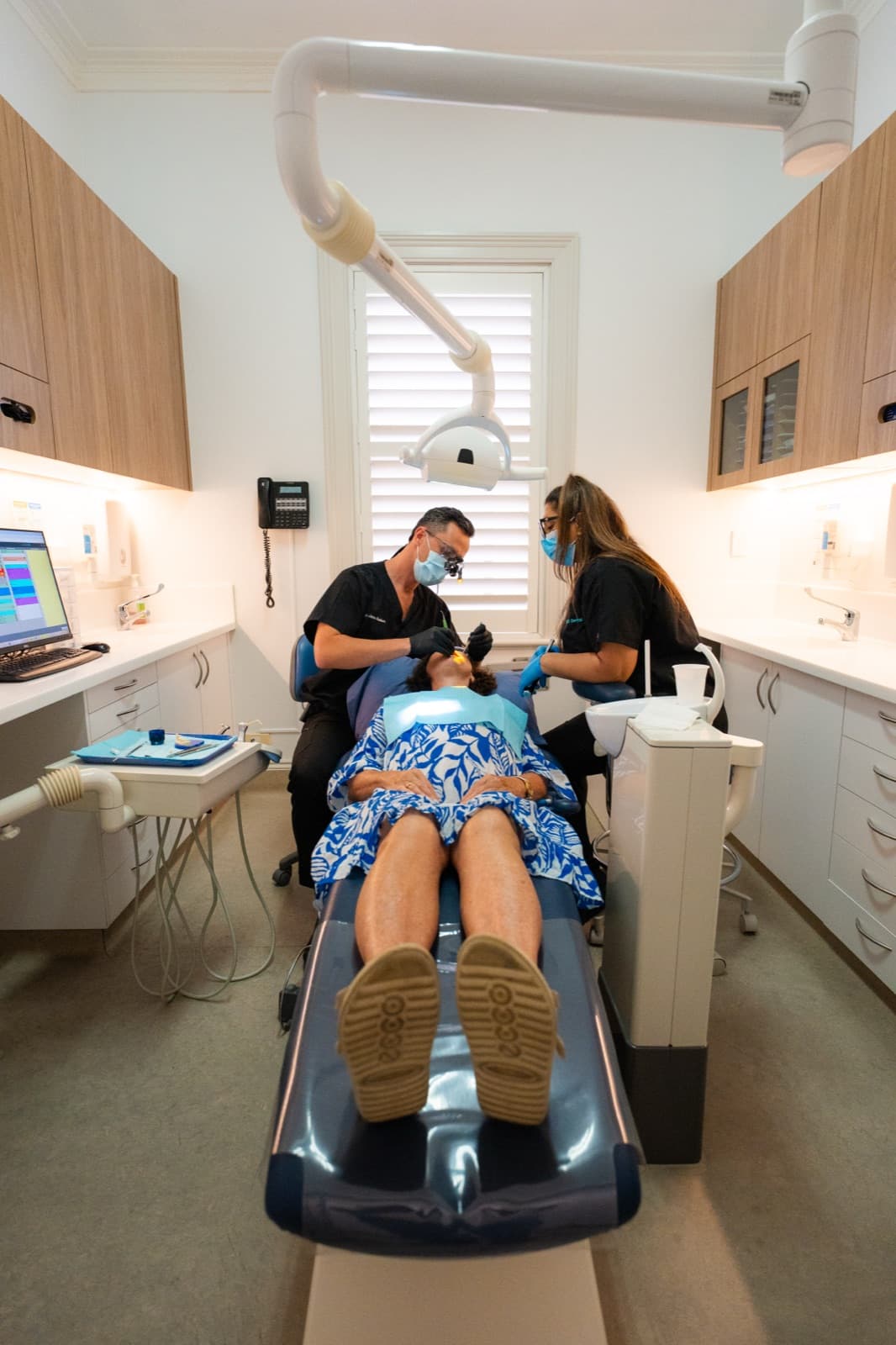
What to expect
How a root canal therapy
appointment runs.
We keep things calm and unhurried. Here's the rhythm you can expect from start to finish, no surprises.
Diagnosis
We confirm the tooth needs root canal therapy with x-rays and gentle tests. We talk through the alternative, extraction and replacement, so you understand both paths.
Numbing & isolation
We numb thoroughly and place a rubber dam, a small barrier that keeps the tooth dry and stops anything reaching your throat. Most patients say this is what makes it feel comfortable.
Cleaning the canals
We open the tooth from the top, remove the infected tissue, then clean and shape the canals with fine instruments and irrigation.
Sealing & next steps
We seal the canals and place a temporary filling. Most root-canal-treated teeth then need a crown to protect them from fracture, we'll plan that for a follow-up visit.
What's included
Every appointment, in full.
- Diagnostic x-rays to confirm diagnosis
- Local anaesthetic, full numbing before any work begins
- Rubber dam isolation for cleanliness and comfort
- Removal of infected nerve tissue
- Cleaning and shaping of the root canals
- Sealing with a biocompatible filling material
- Temporary restoration (a permanent crown is usually placed at a later visit)
Why it matters
Modern root canal treatment is comfortable, predictable, and far better than losing the tooth.
Common questions
Things people
often ask.
Can't see your question? Call us on (02) 9580 1024 and we'll happily talk it through.
Hurstville & St George
Caring for root canal therapy patients across the local area.
We see patients from Hurstville, Penshurst, Allawah, Mortdale, Carlton, Beverly Hills and across the wider St George and Sutherland Shire region. The practice is a short walk from Hurstville Station with on-street parking nearby.
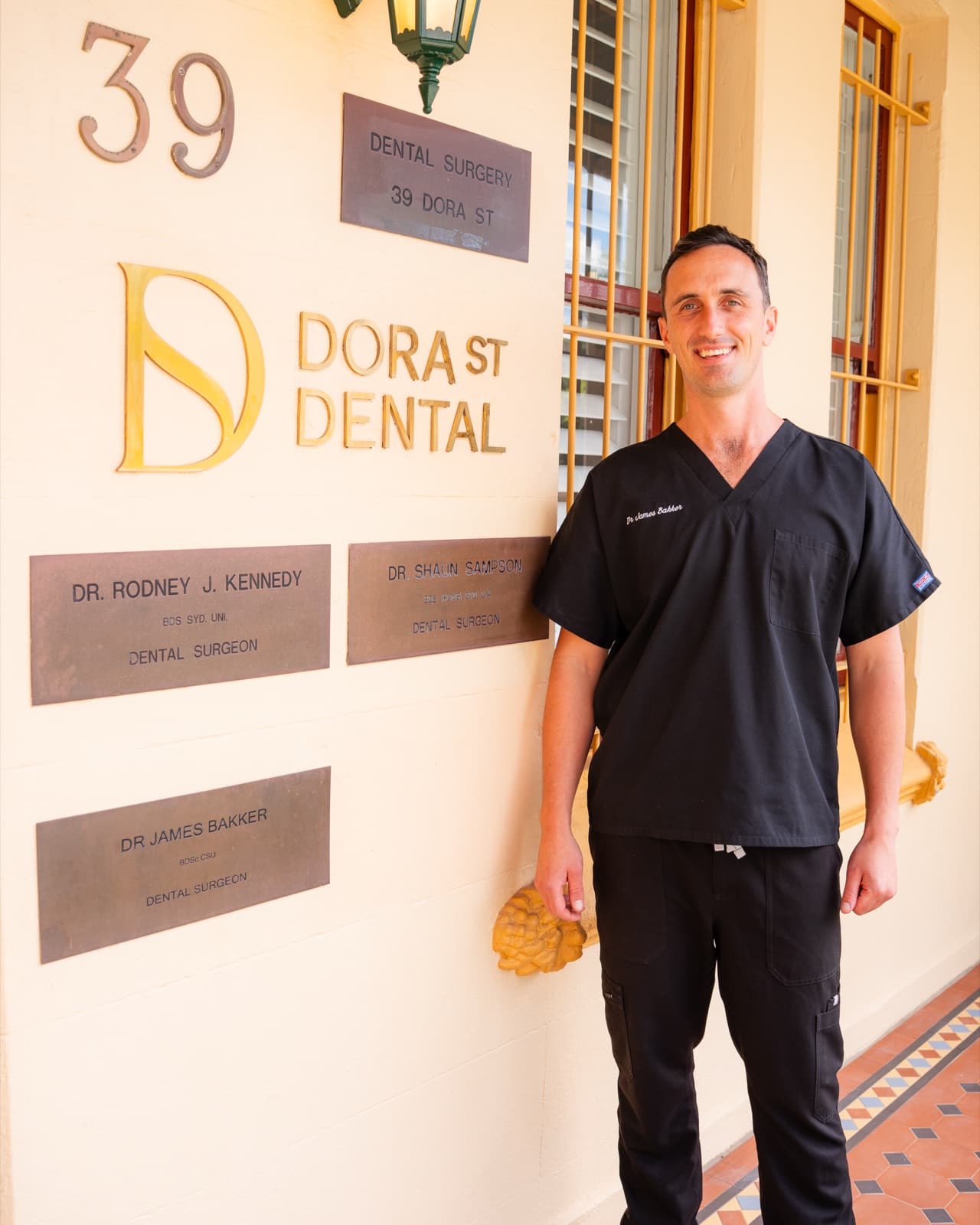
39 Dora Street, Hurstville
Caring for our local Hurstville community.
Booking
Ready to book your root canal therapy?
Call us or book online, we'll find a time that suits.
Other general dentistry treatments
Check-Up & Clean
A gentle six-month exam, scale and polish.
Fillings
Tooth-coloured fillings that disappear into your smile.
Periodontal (Gum Disease)
Treatment for inflamed or receding gums.
Tooth Extraction
Gentle removal when a tooth can't be saved.
Minor Oral Surgery (Wisdom Teeth)
Wisdom teeth and surgical extractions.
Snoring Treatment
Custom oral appliances to reduce snoring.
TMJ Treatment (Grinding)
Help for grinding, jaw pain, clicking and tension headaches.
Mouth Guards
Custom-fit protection from impact.
Night Guards
Protection for grinding and tooth wear.